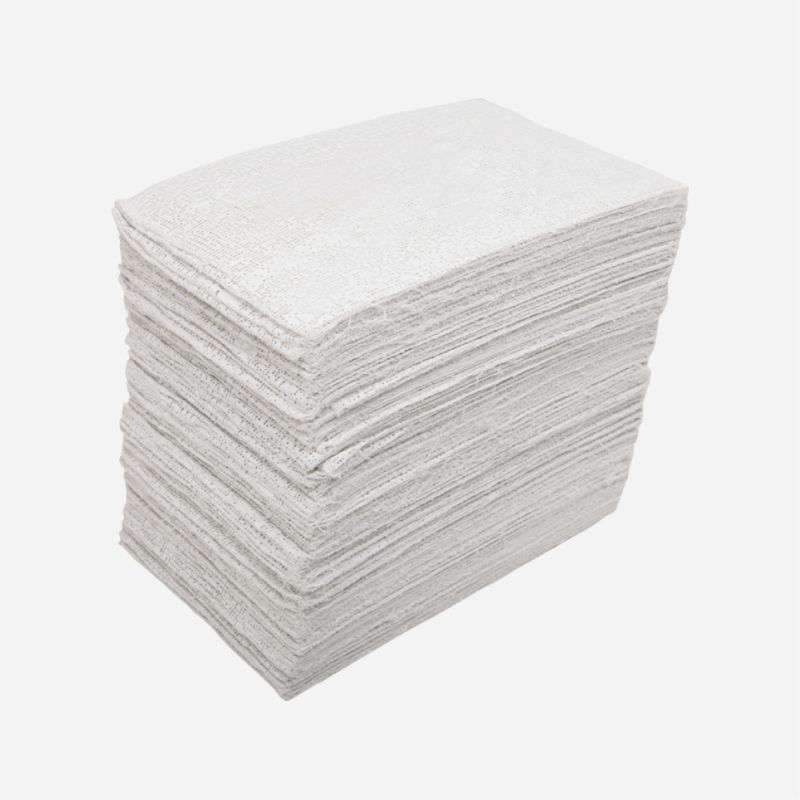
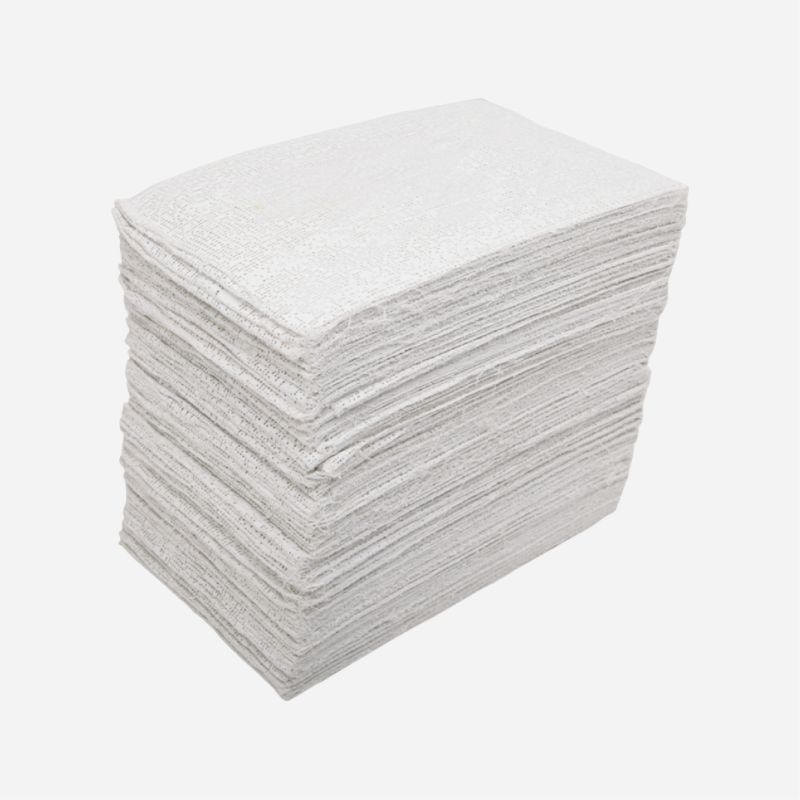
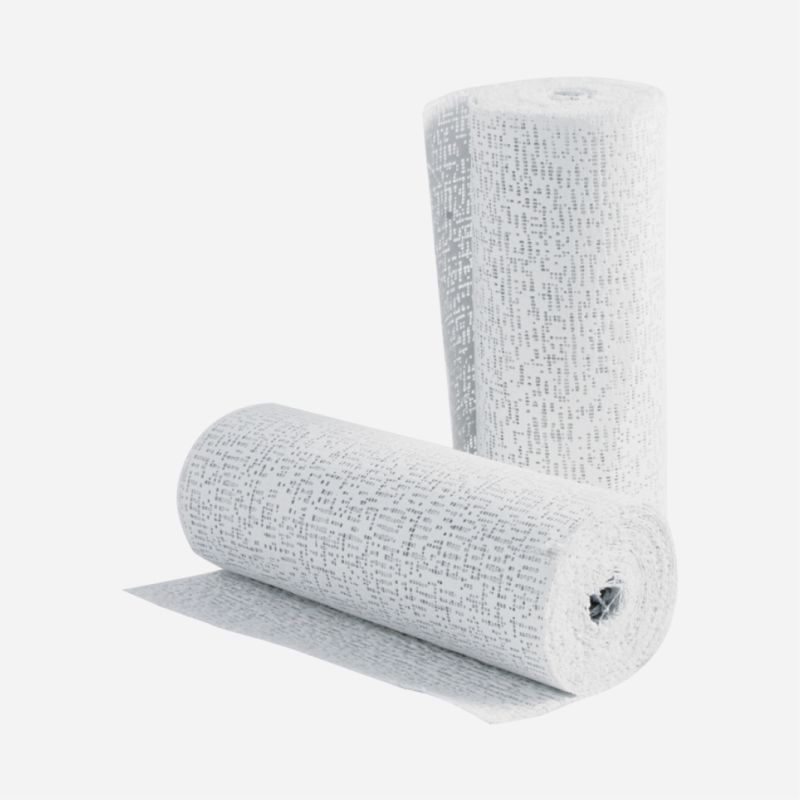
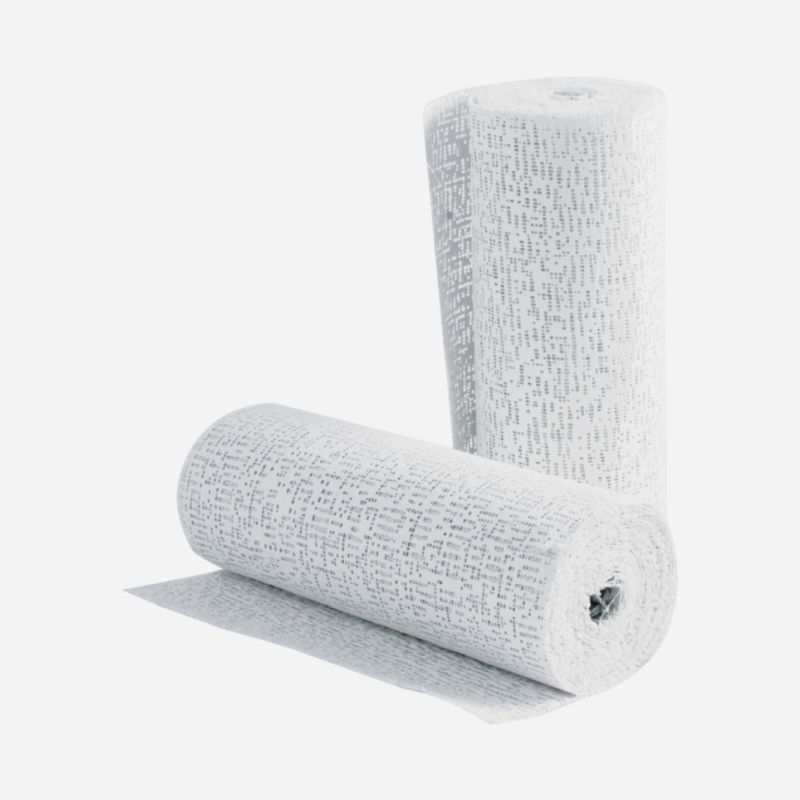
Plaster bandage is a versatile modelling and casting material widely used in craft, art, and educational projects to create strong, lightweight three-dimensional forms. Made from cotton gauze coated in plaster, this type of modelling plaster activates with water and can be applied over frames, armatures, or basic shapes. Once applied, it sets quickly to form a rigid surface, making it ideal for building models, sculptures, and textured bases for creative work.
This material is valued for its fast setting time and ease of use, allowing projects to progress efficiently. The flexible gauze moulds closely to shapes while the plaster hardens, providing both strength and structure. Suitable for classrooms, studios, and hobby use, plaster bandages can be layered to increase durability and finished with paint, sealants, or other decorative materials once dry.
What types of projects are plaster bandages suitable for?
Plaster bandages are suitable for sculpture, modelling, craft projects, and educational art activities that require building three-dimensional shapes.
How does modelling plaster set once applied?
Once activated with water, the plaster begins to harden as it dries, forming a strong and lightweight structure that holds its shape.
Can plaster bandage be layered for extra strength?
Yes, applying multiple layers helps increase durability and allows more detailed forms to be created.
Is this material suitable for beginners?
Yes, plaster bandages are easy to work with and do not require specialist skills, making them suitable for beginners and students.
How should plaster bandages be stored?
They should be kept in a dry place and protected from moisture to prevent the plaster from activating before use.
How They Work / Are Used:
Plaster bandages are activated by briefly immersing the strips in water until the plaster is saturated, with excess water gently squeezed out before application. The bandages are then applied to a frame, mould, or supporting surface, with strips slightly overlapped to create smooth, continuous coverage. While still damp, the material can be shaped and smoothed by hand or with tools, allowing forms and surface detail to be built up. As the plaster dries, it hardens into a firm, durable structure, with additional layers adding strength and definition, ready for finishing with paint or other decorative materials.



 Secure checkout
 Free UK Delivery over £125
 Next day delivery available