

 Secure checkout
 Free UK Delivery over £125
 Next day delivery available
Preventing Acrylic Paint Containers from Clogging

A Step-by-Step Guide for Schools and Colleges
Acrylic paint is a popular medium used in schools and colleges for various art projects. However, clogged paint containers can be a significant inconvenience. In this comprehensive guide, tailored specifically for educational institutions, we will explore effective techniques to prevent acrylic paint containers from clogging. By implementing these preventive measures, schools and colleges can ensure smooth and uninterrupted painting sessions, ultimately saving both time and money.
Properly Seal Your Acrylic Paint Containers: Teaching students the importance of properly sealing acrylic paint containers is crucial. Encourage them to securely close the lids or caps after each use to minimize air exposure. By creating a tight seal, the paint's quality and consistency will be maintained, reducing the risk of clogging and the need for frequent replacements.
Clean the Threads and Lids: Before sealing the containers, make sure to teach students to clean the threads and lids thoroughly. Dried paint residue in these areas can obstruct the opening, leading to clogs. Demonstrate how to wipe the threads and lids with a damp cloth or paper towel to remove any remnants, ensuring a clean and smooth closure.
Store Containers Upside Down: Storing acrylic paint containers upside down is a simple yet effective preventive measure against clogging. This technique works well for bottles or tubes with secure caps. Explain to students that by storing the containers inverted, they create an airtight seal that minimizes air exposure, reducing the risk of paint drying and clogging the opening.
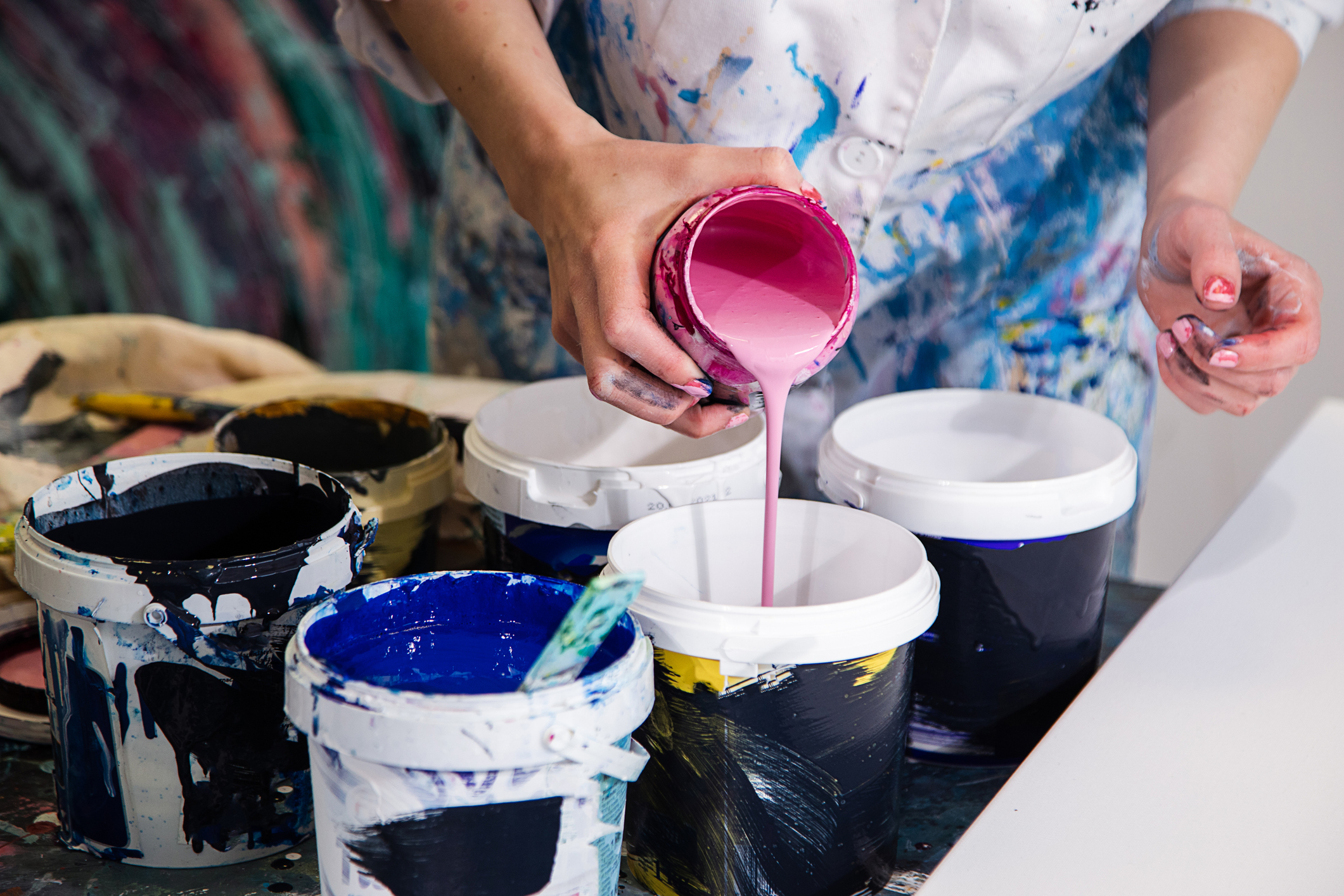
Utilize Airtight Containers or Palettes: In educational settings, investing in airtight containers or palettes is a wise decision. These storage solutions help maintain the freshness and consistency of acrylic paint. Encourage the use of containers or palettes with secure, airtight compartments that keep the paint protected from air and moisture. This not only preserves the paint's quality but also minimizes waste and the need for frequent replacements.
Thin Paint when Necessary: Teach students to thin the paint when necessary, as thick acrylic paint is more prone to clogging. By demonstrating how to use water or an appropriate acrylic medium to thin the paint, you can enhance its flow and workability while reducing the risk of clogging. Ensure students follow the manufacturer's instructions to achieve the desired consistency without compromising the paint's quality.
Clean Containers Regularly: Inculcate the habit of regular cleaning among students to prevent clogs caused by dried paint residue. After each painting session, instruct them to rinse the containers with water or use an appropriate cleaning agent to remove any remaining paint. Emphasize the importance of thoroughly drying the containers before reusing or sealing them to avoid moisture-related issues that can lead to clogging.
Opt for High-Quality Containers: Choosing high-quality acrylic paint containers is particularly important in school and college settings. Look for containers made from durable materials with reliable sealing mechanisms. Superior-quality containers offer airtight seals, reducing the chances of paint drying and clogging the openings. Investing in such containers ensures long-lasting functionality, reducing the frequency of replacements and saving costs in the long run.
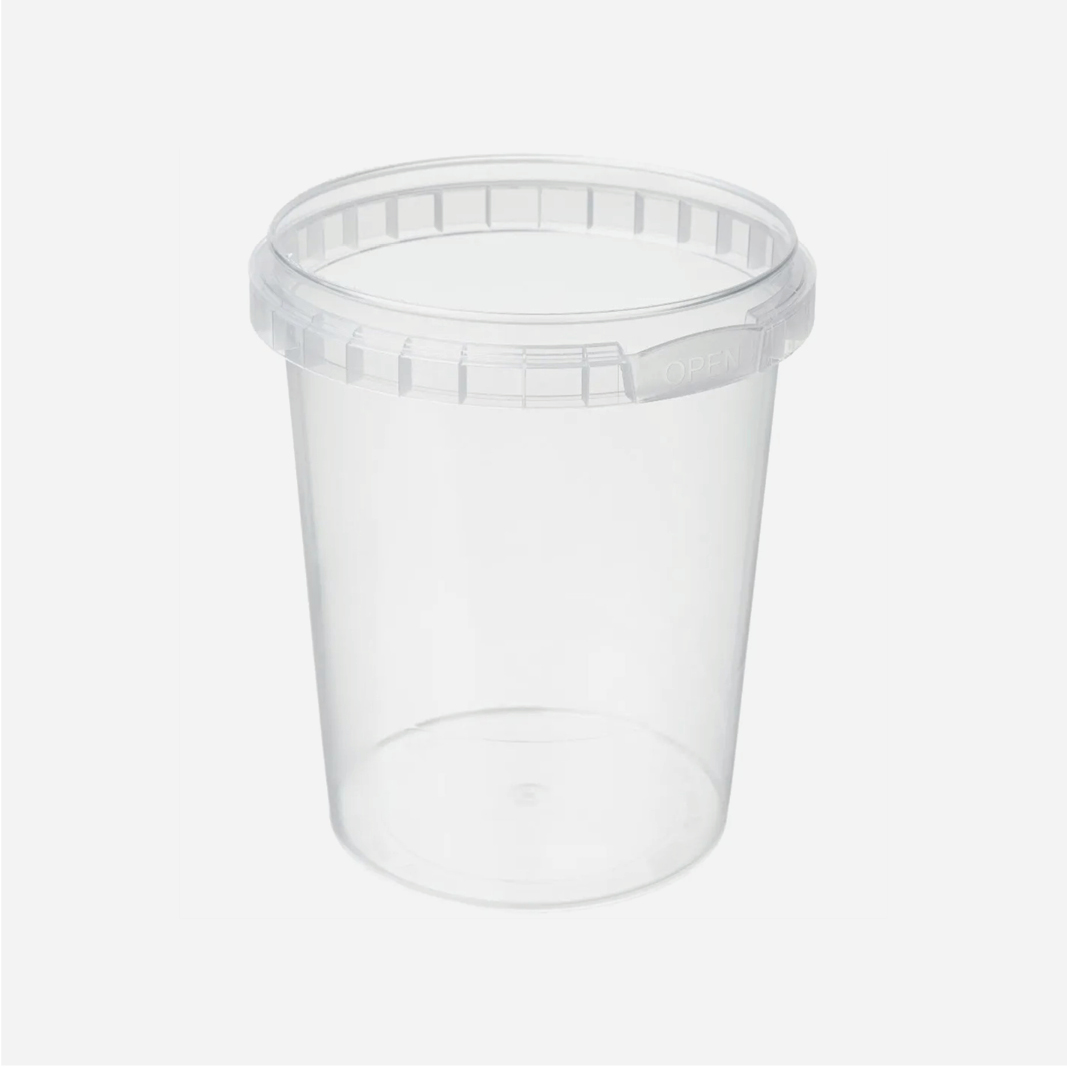
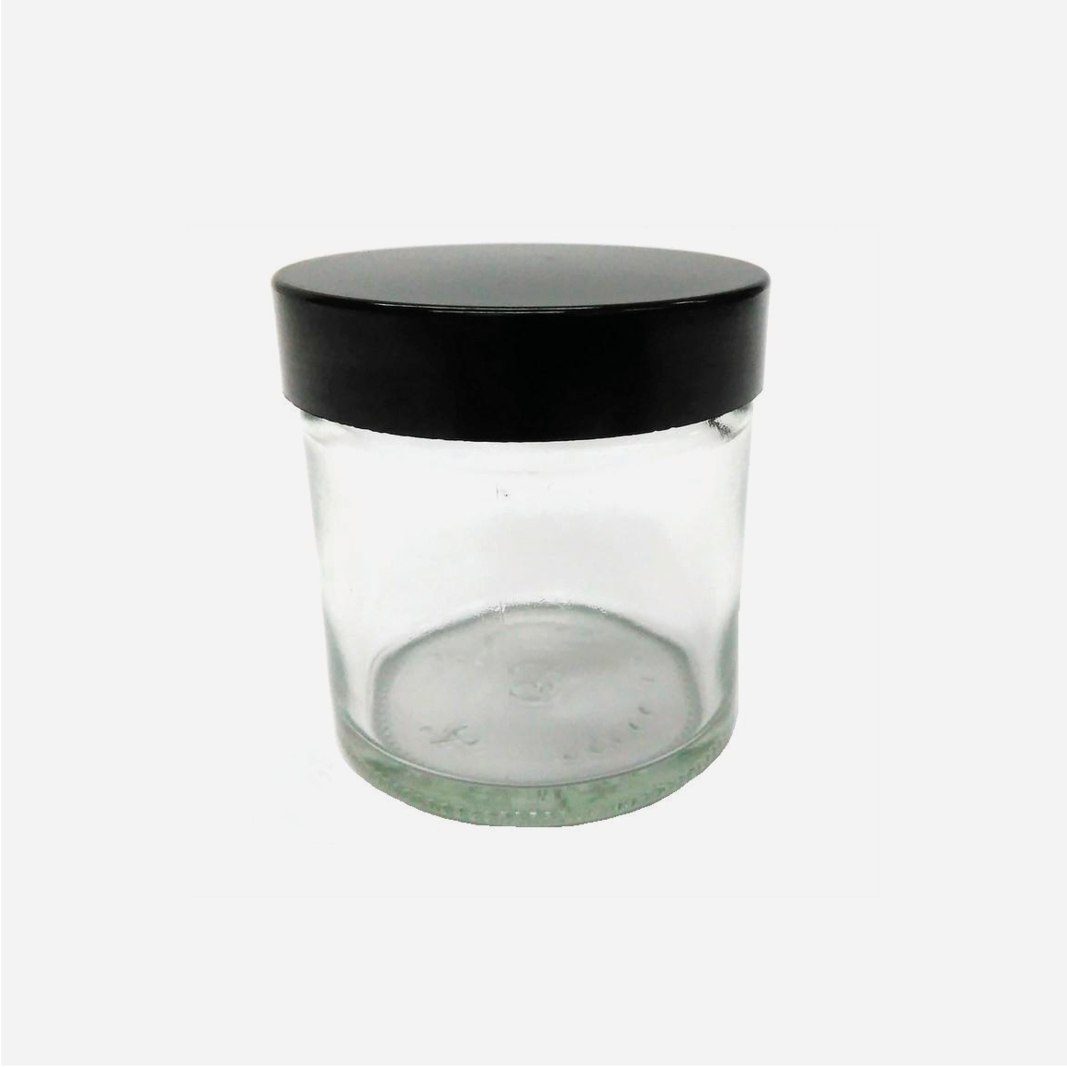
By following these preventive measures, educators and students can enjoy uninterrupted painting sessions while saving both time and money. Properly sealing the containers, cleaning the threads and lids, storing them upside down, utilizing airtight containers, thinning the paint when necessary, regular cleaning, and opting for high-quality containers all contribute to preventing clogs and extending the lifespan of acrylic paint.
In educational institutions, where acrylic paint is the most frequently used material, implementing these techniques not only ensures a smooth painting experience but also promotes responsible resource management and cost-effective practices. By teaching students the importance of maintaining acrylic paint containers and providing them with the knowledge to prevent clogs.